The subject of this subject is the subject. Images can depict anything and there is a way to compose them that will be pleasing for others too. Composition is the structure of an image. Even if the exposure is spot on, if the composition is off or unpleasing, your image will be weak. At it's most basic points, lines, and shapes are the elements of composition. Composition should be deliberate. Elements and lines should be intentionally placed in an image. I'm a big fan of the saying "Plan your work and work your plan". This means that you should know what you want to create an image of before you create the image. You will have an opportunity to think about how to compose your imaage and what you want the image to convey. Time of day and environmental setting are important factors to consider. The type of light, and equipment you will have available, and how long it will take you to set up or prepare to create the image. Deciding about all of the prep work will also help in deciding how and where to place items in your image to make a strong composition. Below is a list of things to consider about composing your image. They aren't hard and fast rules, they are guidelines and are meant to help make a strong composition.
Rule of Thirds
Divide the frame into 9 equal rectangles, 3 across and 3 down place the important element(s) of the image along one or more of the lines or where the lines intersect. Move your mouse cursor over the image and you will see the lines appear. For cell phones, tap on the image (double tap to see it larger) This image actually uses the Rule of Thirds both horizontally with the sand, ocean and sky and vertically placing the bird (Oyster Catcher) on a vertical line on the right. It also uses the Rule of Space and breaks the Left to Right rule.
Centered Composition and Symmetry
Symmetrical scenes are perfect for a centered composition. Scenes containing reflections are also an opportunity to use symmetry in the composition. Try a mix of the rule of thirds and symmetry to compose the image. The image of the Hopetoun House in Queensferry Scotland uses the Rule of Thirds well and it is also perfectly symmetrical. Mouse over or tap to see the grid lines.
Foreground Interest and Depth (left or right)

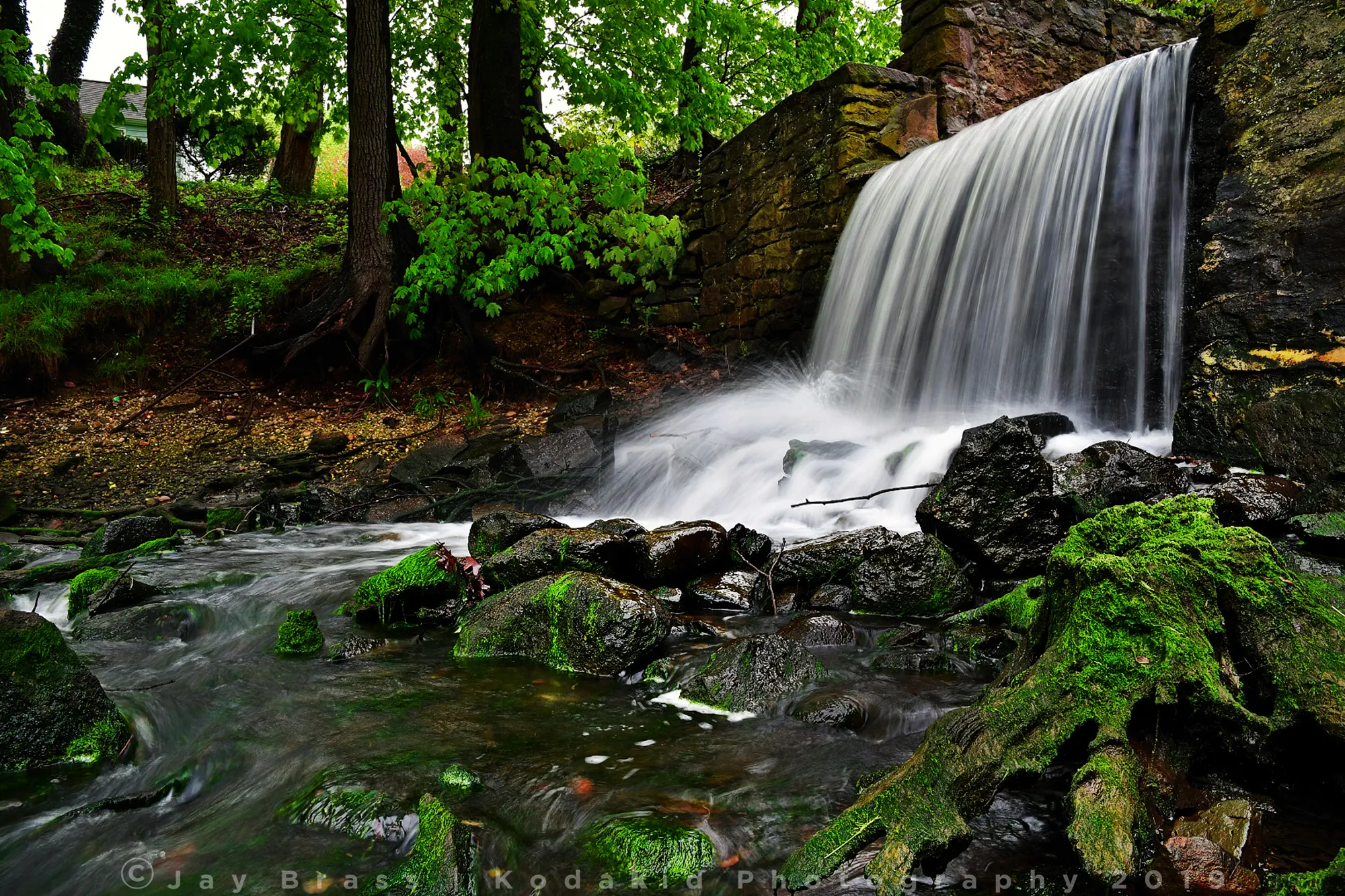
Good for showing and creating space for the subject in your image to occupy. Including foreground interest is a way of adding depth to the scene.In these images the rocks in the foreground add depth and lead the viewer to the main subject.
Frame Within the Frame
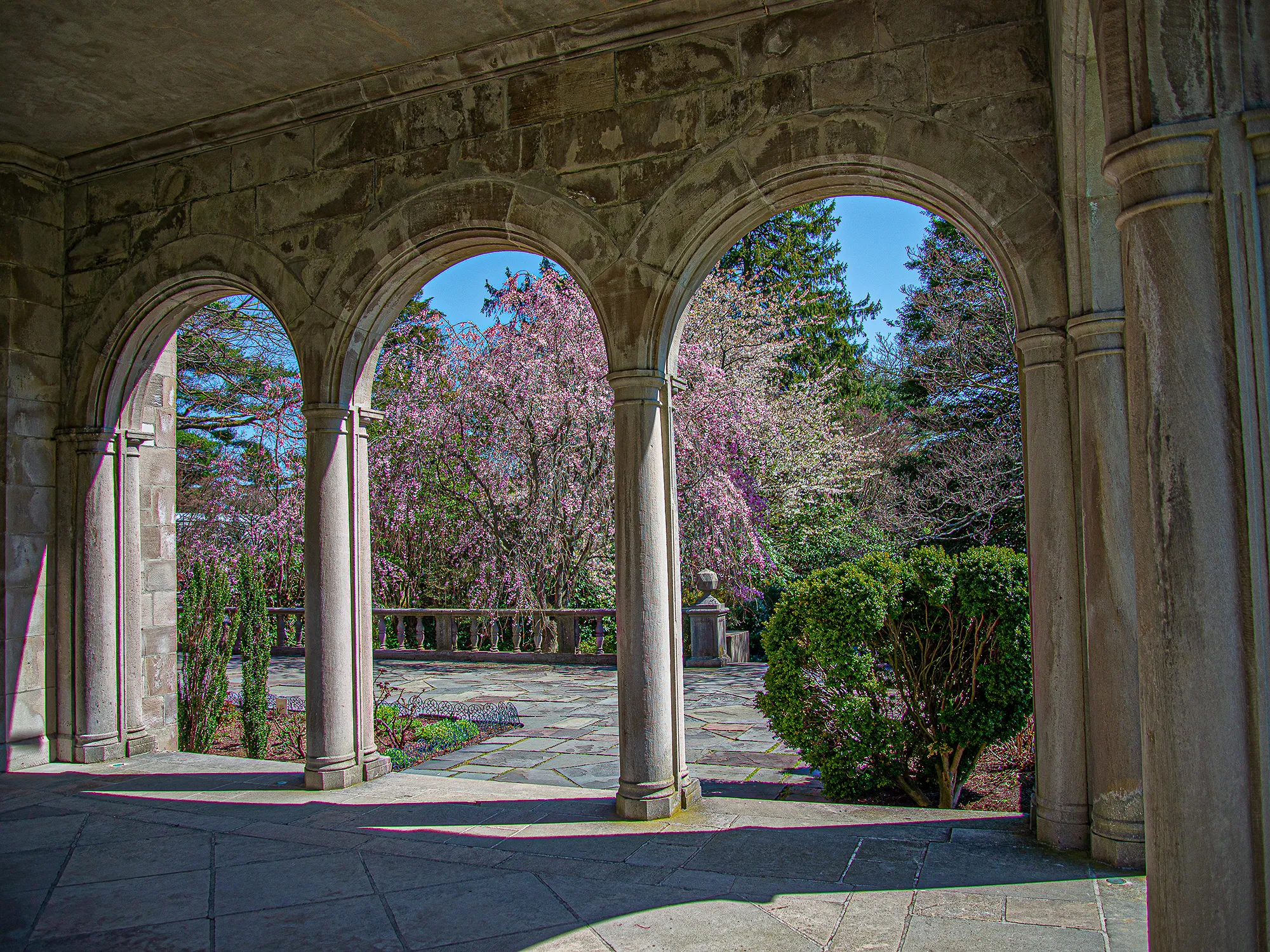
Including a frame within the frame is a way of portraying depth. Look for elements such as windows, arches or overhanging tree branches to frame the image with.
Leading Lines

Leading lines help focus attention on important elements. Paths, walls or patterns can be leading lines and they do not have to be straight.
Fill the Frame


Filling the frame with your subject, leaving little or no space around it can be effective. It helps focus the viewer completely on the main subject without any distractions.
Isolate the Subject
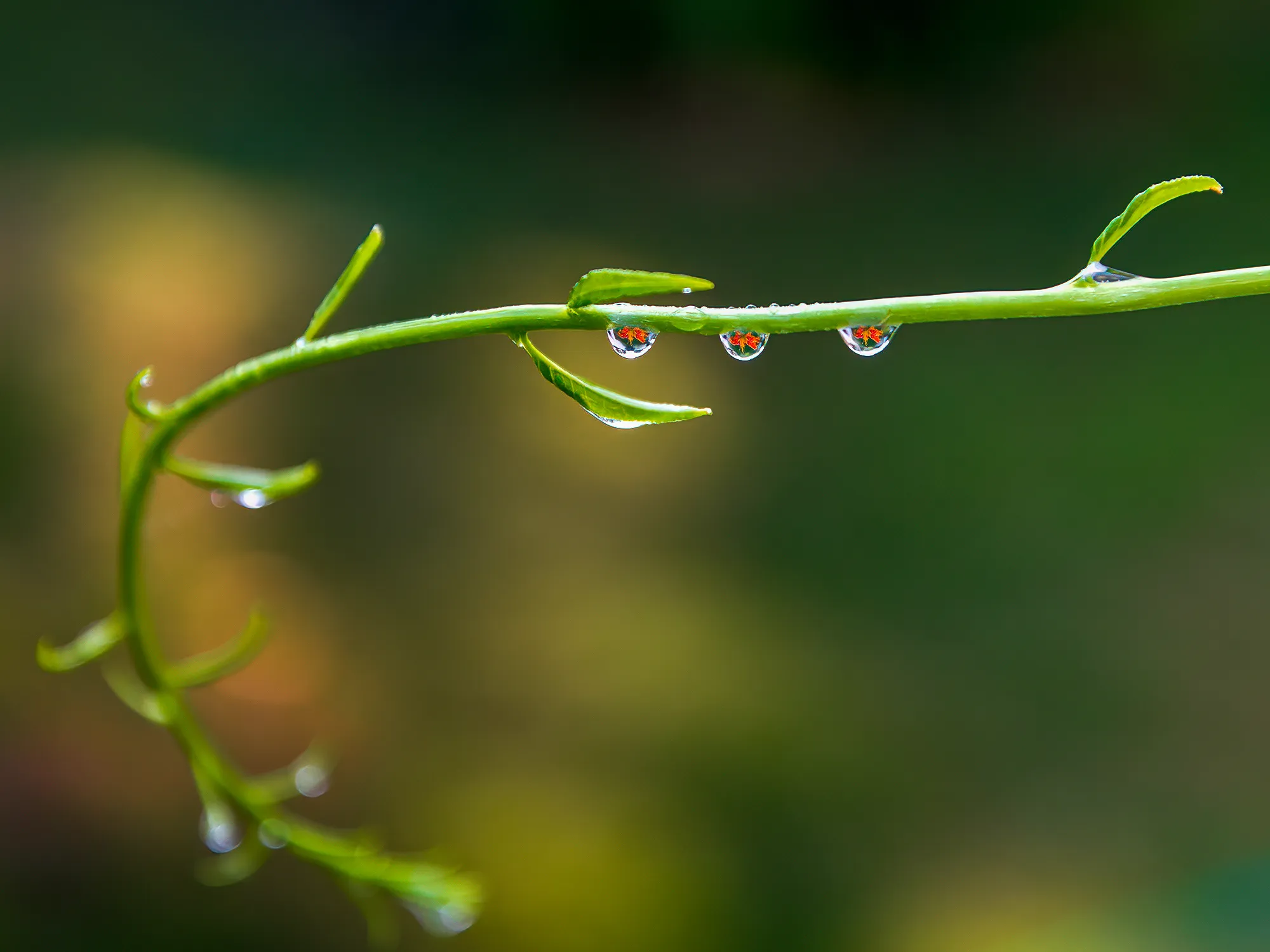
Using a shallow depth of field to isolate your subject will focus attention on the subject.
Leave Negative Space

Leaving a lot of empty or 'negative' space around your subject creates a sense of simplicity and minimalism.
Change your Point of View

Try getting high up or low down or shot from a different angle to compose your image. Study your subject to find what is pleasing and interesting. Sometimes getting on the same level is the best angle.
Rule of Space

The rule of space relates to the direction the subject(s) in your photo are facing. Leave more space in front of the subject so that it can "move" into it.
Left to Right Rule
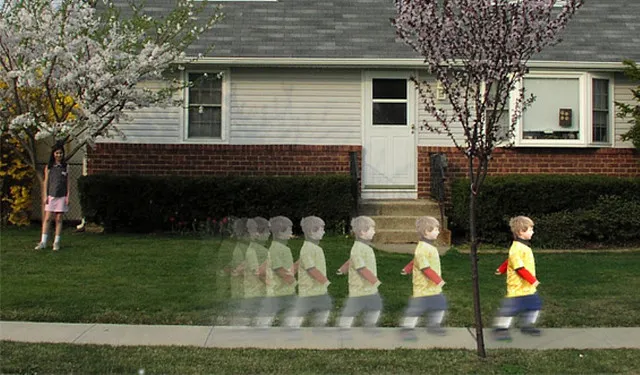
There is a theory that says we read an image from left to right in the same way we would read a book. Here my bionic son is running from left to right while my daughter and the tree anchor the left side of the image.
Golden Ratio
Two quantities are in the golden ratio if their ratio is the same as the ratio of their sum to the larger of the two quantities. Move your mouse cursor over the image or tap on the image. The frame is divided into a series of squares known as a "Phi Grid". Use the squares to draw a spiral called a "Fibonacci Spiral". It is believed that the golden spiral method of composition has been in existence for over 2,400 years having been devised in Ancient Greece. Notice how the eyes of the subject fall right in the smallest box and tightest area of the spiral.