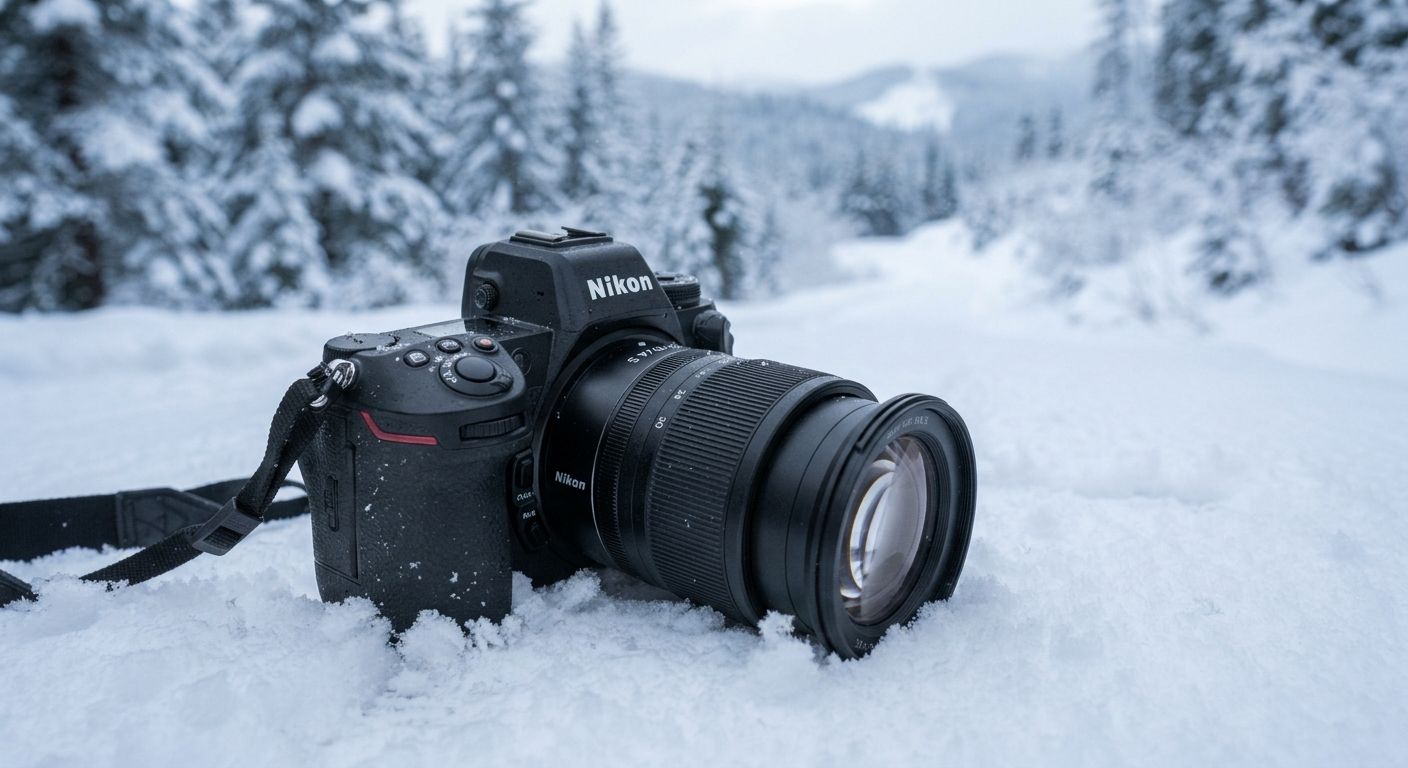
Cold-Weather Photography: Preparing Yourself and Your Gear
As the seasons change, leaves fall, and temperatures drop, outdoor photography opportunities change right along with them. Autumn and winter offer wonderful and unique lighting, but cold conditions present distinct challenges for both you and your camera gear.
Protecting Your Equipment
Cameras and lenses are designed to operate within certain temperature ranges. Many modern cameras are quite capable of handling cold conditions, but that doesn't mean they're immune to the elements.
Keep your camera protected in a camera bag whenever you are not shooting. Modern cameras handle cold well, but wind can blow dust, moisture, and debris into areas you want to keep clean. Remember that weather sealing is not waterproofing, even professional equipment has its limits. A little extra care before heading out saves significant cleaning and repairs later.
Temperature Changes and Condensation
One of the more important things to understand about cold-weather photography is condensation.
When you bring a cold camera or lens into a warm environment, moisture in the warmer air can condense on the cold surfaces. This can happen on the outside of your equipment, but moisture inside the camera or lens is a much bigger concern. (This can happen when moving from an air conditioned environment to a warm humid one)
A good practice is to place your camera and lenses inside a sealed plastic bag while you're still outdoors, before bringing them into a warm building or vehicle. Leave them in the bag while they gradually reach warmer temperatures. This allows condensation to form on the outside of the bag rather than directly on your equipment.
Batteries Don't Like the Cold
If there's one thing that can interrupt a photo outing, it's a dead battery. Cold temperatures reduce battery performance, and you may find that a battery doesn't last nearly as long as it would on a warm summer day
- Start your outing with a fully charged battery.
- Carry at least one spare.
- Keep spare batteries in an inside pocket close to your body rather than in an exposed camera bag.
- Watch how often you review images on the back of the camera.
Dress for Photography, Not Just Weather
Staying warm directly impacts how well you can operate your equipment. The biggest challenge is often keeping your fingers warm enough to adjust camera settings.
Wear layered clothing and gloves that balance warmth with ease of adjusting settings. Practice changing camera settings, removing lens caps, and swapping batteries while wearing your gloves at home so you know what works before heading out into freezing temperatures.
Don’t forget your feet! Waterproof boots keep you comfortable during long periods of standing still. Sometimes a small headlamp or flashlight for shorter winter days can help you walk back to your car in fading light.
A few minutes of preparation can prevent equipment problems when you're miles from home.
Think about where you're going, how long you'll be outside, and what the weather is expected to do. A location that's comfortable in September may be considerably less inviting in December.